the other night i tried to make a curry and i got chilli burns all over my face, so i thought to myself ‘hang on, doesn’t milk soothe chilli burns? it does’ and i couldn’t google because i couldn’t see so i just had to blindly feel my way to the fridge and pour out a bowl of milk, and then plant my face in the bowl of milk, anyway at that point the rice cooker went off and triggered a power surge which turned my electricity off, which i didn’t notice at first because i had my face in a bowl of milk and when i did emerge from the dairy prison i thought i had gone blind with chilli burns. so no i don’t really cook much.
“Rainbow Railroad receives hundreds of requests for help every year from countries where LGBT individuals are open targets of violence.
Because the volume of requests is so high, we focus our efforts on assisting LGBT people who have faced physical violence or face an imminent threat of violence, imprisonment, or death.
We have been successful in helping individuals from the Caribbean, Africa and Middle East where we have local networks to support and validate cases.”
HOW MUCH DOES IT COST TO HELP?
“The costs range as every case is unique. Sometimes the individual has the resources to help themselves and they just need information and support from us to make a move. In these cases, the cost to Rainbow Railroad is staff and volunteer time to research and provide information. In cases where they need financial support to get to safety, it costs about $5000 to cover flights and other related costs.”
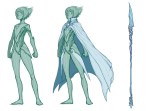
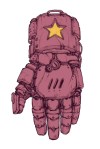
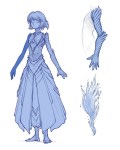
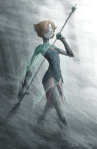
More SU-related pics. Yeah, i already posted these on reddit and deviantart several weeks ago, but i just want to put it in my blog.. well… to have something in my blog, actually, before i draw new stuff.
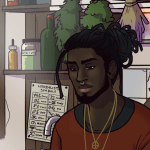
It is done! The Modern Male Witch: Kitchen is here! 😀
He is a bit messy, but he can always find what he’s looking for, even when some things in his kitchen get a mind of their own. There’s a different fragrance in the air every day ❤
The Art of Africa is a casualty of colonial exploitation, surviving principally in the museums of other countries. ~ Nadine Gordimer
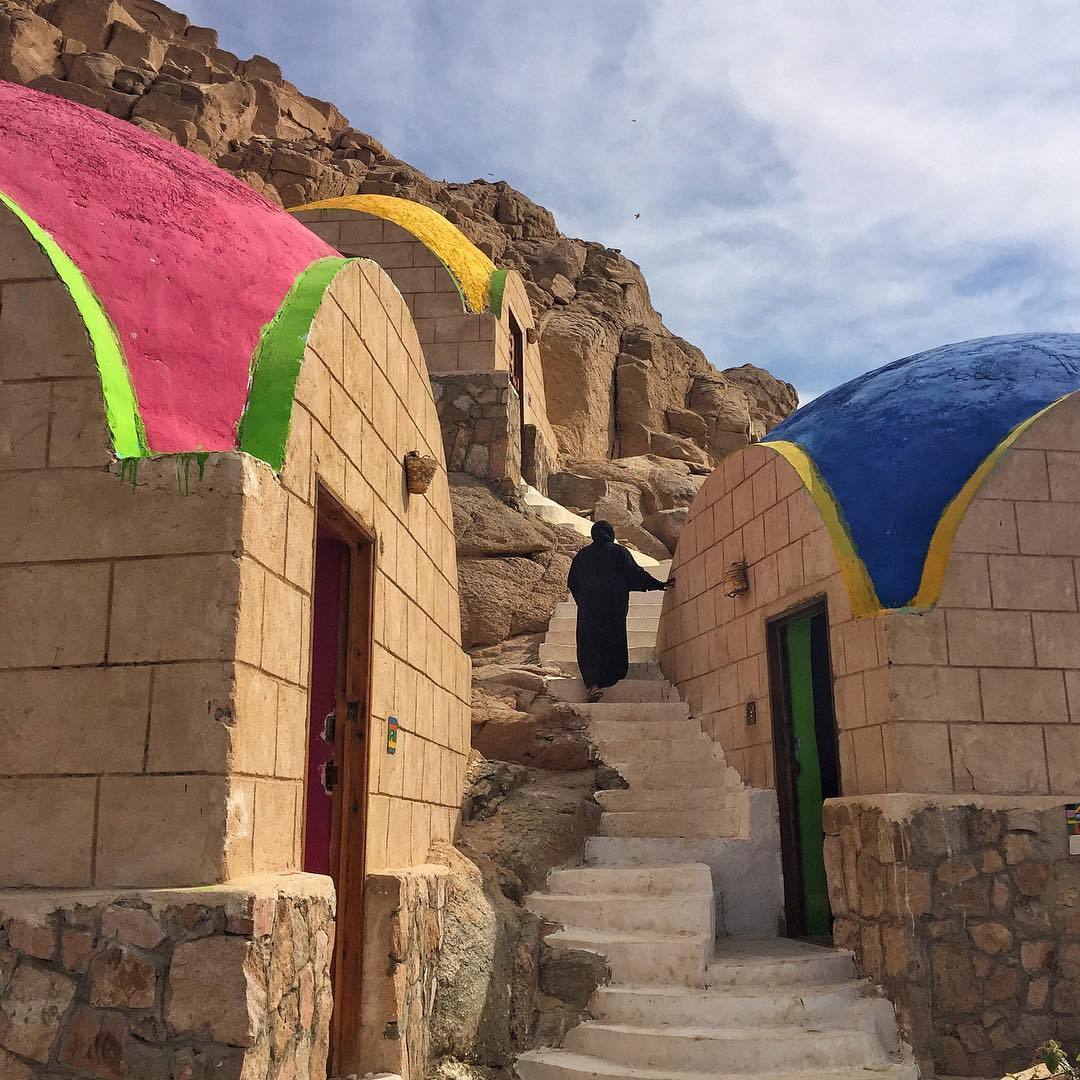
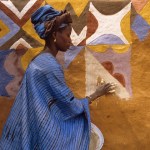
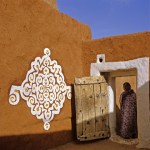
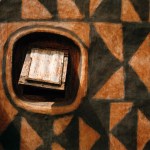
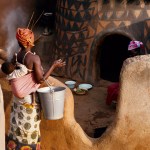
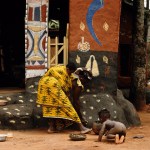
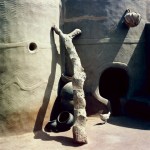
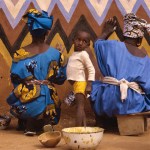
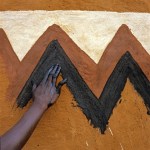
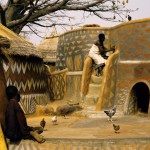
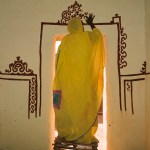
“My objective in this work is to document an extraordinary art form – vernacular art and architecture in West Africa – that is not transportable and therefore not seen in museums around the world. It is an attempt to capture the unseen Africa, a glimpse into the homes and into the spirit of very proud and dignified peoples. In much the same way as I photographed the art of Ndebele women, I have drawn on my personal affinity for the art itself, for methods, design and form, rather than the socio-anthropological or political realities of a people or continent in dilemma. These images portray a unique tradition of Africa, a celebration of an indigenous rural culture in which the women are the artists and the home her canvas.”










 nomad-hermit