
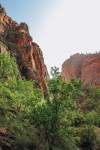
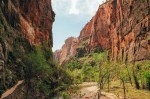
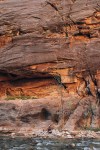
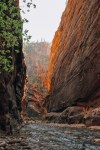
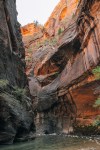
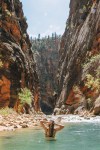
Just a short drive from Portland is Oneota Gorge, Oregon [2256×3013] [OC] Follow me for more: http://beautifulnature-blog.tumblr.com/
Just a short drive from Portland is Oneota Gorge, Oregon [2256×3013] [OC] Follow me for more: http://beautifulnature-blog.tumblr.com/


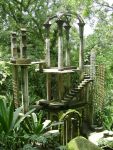

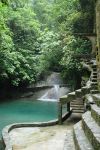
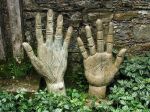
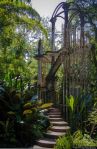
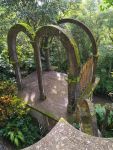

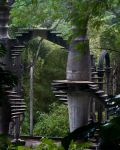
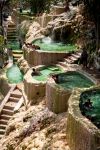
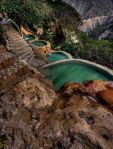
Amazingly surreal Las Pozas in the rainforest by Xilitla in the Mexico mountains. Created by Edward James in the 40′s, it includes more than 80 acres of natural waterfalls and pools interlaced with towering surrealist sculptures and buildings. The many trails throughout the garden site are composed of steps, ramps, bridges and narrow, winding walkways that traverse the valley walls. It was supposed to be a “Garden of Eden” containing a huge variety of plants and animals.
those look like elven ruins
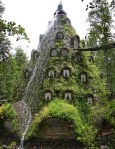


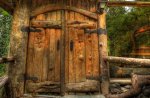



Magic Mountain Lodge
This hotel is located in Huilo Huilo, a Natural Reserve in Chile. The rustic appearance ends with the exterior however, as the interiors are done up in luxury. There are only 9 rooms, named after bird species found in the area. Each of them overlooks the thick forest and wildlife outside. Guests even get a glimpse of a real-life volcano from the hotel. Hot tubs made out of huge tree trunks, overlooking the forest are a major tourist attraction at Magic Mountain, as is the world’s longest zip line running through the grounds.Can I just live here
PLEASE GIMME

The avocado is a wild fruit that grows on trees indigenous to the areas now known as the West Indies, Guatemala, and Mexico. Archaeological evidence shows that Indigenous Americans gathered and ate wild avocados in the Tehuacan Valley of Mexico as early as 8000-7000 B.C. Although Avocado seeds have been found on Peruvian seacoast archaeological sites dating to 2400-2000 B.C., ethnologists believe the fruits were first cultivated in Huaca Prieta,Peru, in about 750 B.C.
The Aztec,called these leathery-leafed trees “Ahuacacuahitl” or “testicle trees”. Little is known about how the Aztec served avocados, except that they made a sauce of mashed avocado called “Huaca-mulli,” GUACAMOLE today. The Maya sliced avocados and ate them wrapped in a tortilla or chopped them and added them to stews that had already been cooked.
Spanish priests- who believed the fruits were aphrodisiacs because of the tree’s name and their appearance— frowned on eating them and forbade them from being grown in mission gardens. Because avocados did not remain fresh on long ocean voyages, they remained an oddity to Europeans for many years. Europeans who did taste avocados often were not sure of what to do with them. Some culinary experts advised mixing them with lime juice and sugar, while others said they were best eaten plain. Avocados did not become popular in the U.S until the 1900s. By 1993 people in the U.S were eating an average of two pounds of avocados per person each year. California and Florida are currently the primary Avocado-producing states in the U.S. According to the U.S. Department of Agriculture the annual value of U.S. avocado production is about $200 million.


 nomad-hermit