i hope youre all lying and hyping your cv/resume’s up
i have never gotten an interview and not been offered a job position after it
I mean lets be honest if everyone else is gassing theirs up like no tomorrow and you’re being as honest as you can who th are the recruitment team going to be more interested in
There’s people working in my banks head office with me WITH MUCH MORE EXPERIENCE than me BUT ARE GETTING PAID LESS
we’re doing the exact same job role
the point I’m trying to make here is if you’ve handled finances for a company you’re now what i would call a treasurer my g, if you’ve done admin work you are now a secretary (or as I’ve put Management secretary)
you help some kid with his homework? you’re a private tutor.
keep your bullets points for the job role as concise and important sounding as possible AND ALWAYS EMPHASIS THAT YOURE A TEAM PLAYER IF YOURE GOING TO WORK IN A TEAM.
go into that interview room and get your story straight the night before and remember that interviews are two way conversatons yes they might be grilling you but at the end of it make sure to grill them BACK. do you have any hesitations about my qualifications? my suitability for the job? any feedback on my cv? how long have you been working at this company? do you like it here? whats the work environment like?
I ALWAYS ALWAYS ALWAYS GET THE SAME FEEDBACK WHEN THEY GET BACK IN TOUCH WITH ME
“ive never been asked those questions before” / “you were one of the strongest candidates”
throughout the interview emphasise that youre about progression, that you want more responsibilities than you did at your previous job, tell them the hours here are more suitable for me than my last ones were, AND WHEN IT COMES TO SALARY NEGOTIATION its all about continuity. tell them again that it boils down to progression. make up a reasonable figure for how much you were paid in your last role (do your research for how much the industry youre applying to or the role youre applying for pays, base it on that) tell them you expect more than you were previously paid. do not give them a figure. progression is your primary focus, tell them if youre progressing youre happy. leave it at that.
LIE THROUGH YOUR TEETH AND GET THAT MONEY
Tag: lifehacks
Coming from a state champion baker:
If y’all use a decent box mix and use melted butter instead of vegetable oil, an extra egg, and milk instead of water, no one can tell the difference. I sure as hell can’t.
Also, if you add a little almond extract to vanilla cake, or a little coffee to chocolate cake, it sends it through the roof.
This concludes me attempting to be helpful.
yo I can vouch for this
I’ve done this for the last few cakes I’ve made and holy crap it makes suuuuch a difference
the cake is still fluffy, but it also seems more dense, and it doesn’t dry out
like at all
you can leave it uncovered on the counter all day after being cut into, and it won’t get all crusty and dry
this is an amazing way to take your cakes to the next levelDoes this count as cake hacks?
Tailoring your own clothes
So a little while back, I reblogged a post about tailoring your own clothes. The gist of it was this (IIRC):
Someone was wondering why even people on TV with non-mainstream-TV-approved body shapes always look so good in their clothes.
The long and short of it is: their bodies aren’t better than yours. They just have people tailoring every single piece of clothing they wear to flatter their figures.
Off-the-rack clothes aren’t made to look good on most people’s bodies. The advice in the post was buy clothes that fit the largest part of you, even if they’re too big elsewhere, and have them altered to fit.
That post hit me like a lightning bolt. I have a curvy figure. I’m not plus-sized, but I’ve got a small waist and large hips. Which is great in certain types of clothes (dresses, mainly), but means that if I don’t wear fitted t-shirts or blouses–if they fall straight–I just look sort of… boxy. I need clothes that go in at the waist.
My grandma was an amazing seamstress, so when I needed clothes fixed, she was around to tailor them. When she got into her 90s and her eyesight was too diminished for her to sew, we started going to a woman in our neighborhood who’d lost her husband and had started doing alterations to bring in some extra income. OF COURSE I looked good back then. I had a tailor.
Then I moved away from my parents without really knowing How To Adult and would go to Target to get clothes and just get depressed by them and never realized how much of an advantage having people who could tailor my clothes (and, you know, parents to pay for having them tailored…) had been.
So. I have a 1970s Singer Fashion Mate sewing machine that is designed to weather the apocalypse–I got it at Goodwill for $20.
And I have begun researching how to tailor your own clothes. If anyone else was wondering about that after that last post, here are some helpful links I’ve discovered.
When and Why to Get it Tailored – This article is (annoyingly) set up as a slideshow, and focuses on getting a professional to do your alterations rather than doing them yourself, but it’s got some good advice nonetheless, such as:
- Basic alterations that can make a huge difference, such as adding lingerie loops to keep bra straps in place (SERIOUSLY MY FAVORITE DRESSES FROM HIGH SCHOOL ALL HAD THESE AND WHY DID THEY DISAPPEAR IN EVERYTHING I WEAR NOW?), adding snaps between the buttons on button-down shirts for larger-busted women (you know how sometimes they gap? there’s help for that), etc.
- Average prices (at least on the East Coast) for basic alterations: replacing a zipper will run you about $20, while tailoring pants or a skirt to fit your hips and butt will be about $35.
- If you want to get a garment made of special materials (leather, fur, beaded/embroidered silk) altered, go to someone who specializes in working with that material.
- What NOT to try to alter.
- How to find a tailor.
- Having that perfect dress that you love so much duplicated and how much that will cost.
Learning Alterations – Great step-by-step tutorials on basic alterations like how to take in the waist of jeans (essential if you have a smaller waist and larger hips, because it’ll stop them from riding down every time you bend over or sit down).
Tailoring Ready-to-Wear – A full-on online course from Craftsy (costs $24.99) with videos and individual lessons on everything from hemming pants to lengthening them to altering shoulders and armholes to adding hidden zippers.
Plus-Sized Fitting and Design – Another online course (this one’s $34.99) that looks like it focuses both on alterations and on actually making clothes that are flattering to plus-sized forms.
Alterations and Tailoring 101 – Not a how-to post, but this one has a lot of useful information and ideas, such as identifying which garments to alter.
Alterations Needed blog – A whole blog on this stuff, with a lot of detailed how-tos. It focuses on fixing things to fit if you’re shorter than average/petite, but contains a lot of great advice for anyone (like an entry on why button-down shirts often bulge in back and how to fix it).
Pinch and Pin your Shirt – Super-quick video tutorial (aimed at gentlemen), but useful for anyone who wears button-down shirts on how to fix a baggy shirt.
If I find other helpful tutorials, I’ll add them. If you know of any, please let me know!
The 37 best websites for learning a new skill
Forget overpriced schools, long days in a crowded classroom, and pitifully poor results.
These websites and apps cover myriads of science, art, and technology topics.
They will teach you practically anything, from making hummus to building apps in node.js, most of them for free.
There is absolutely no excuse for you not to master a new skill, expand your knowledge, or eventually boost your career.
You can learn interactively at your own pace and in the comfort of your own home. It’s hard to imagine how much easier it can possibly be.
Honestly, what are you waiting for?
Take an online course
edX — Take online courses from the world’s best universities.
Coursera — Take the world’s best courses, online, for free.
Coursmos — Take a micro-course anytime you want, on any device.
Highbrow — Get bite-sized daily courses to your inbox.
Skillshare — Online classes and projects that unlock your creativity.
Curious — Grow your skills with online video lessons.
lynda.com — Learn technology, creative and business skills.
CreativeLive — Take free creative classes from the world’s top experts.
Udemy — Learn real world skills online.
Learn how to code
Codecademy — Learn to code interactively, for free.
Stuk.io — Learn how to code from scratch.
Udacity — Earn a Nanodegree recognized by industry leaders.
Platzi — Live streaming classes on design, marketing and code.
Learnable — The best way to learn web development.
Code School — Learn to code by doing.
Thinkful — Advance your career with 1-on-1 mentorship.
Code.org — Start learning today with easy tutorials.
BaseRails — Master Ruby on Rails and other web technologies.
Treehouse — Learn HTML, CSS, iPhone apps & more.
One Month — Learn to code and build web applications in one month.
Dash — Learn to make awesome websites.
Learn to work with data
DataCamp — Online R tutorials and data science courses.
DataQuest — Learn data science in your browser.
DataMonkey — Develop your analytical skills in a simple, yet fun way.
Learn new languages
Duolingo — Learn a language for free.
Lingvist — Learn a language in 200 hours.
Busuu — The free language learning community.
Memrise — Use flashcards to learn vocabulary.
Expand your knowledge
TED-Ed — Find carefully curated educational videos
Khan Academy — Access an extensive library of interactive content.
Guides.co — Search the largest collection of online guides.
Squareknot — Browse beautiful, step-by-step guides.
Learnist — Learn from expertly curated web, print and video content.
Prismatic — Learn interesting things based on social recommendation.
Bonus
Chesscademy — Learn how to play chess for free.
Pianu — A new way to learn piano online, interactively.
Yousician— Your personal guitar tutor for the digital age.
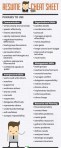
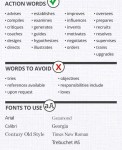
Resume Cheat Sheet.
Type ALL the key/action words in white and the smallest font possible at the bottom of your resume because companies use databases that pinpoint them to select potential hires for recruiters
@


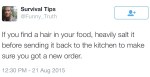
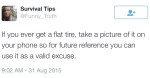




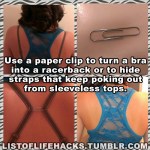
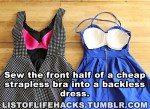
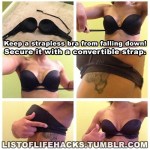
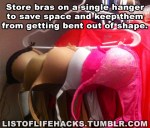
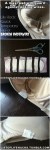
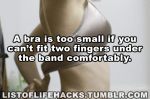
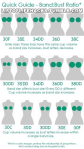
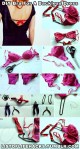
If you like this list of life hacks, follow ListOfLifeHacks for more like it!
LEARN SISTERS AND BROTHERS. KNOWLEDGE IS POWER
they said “bra wearer”
respect, lifehacks.








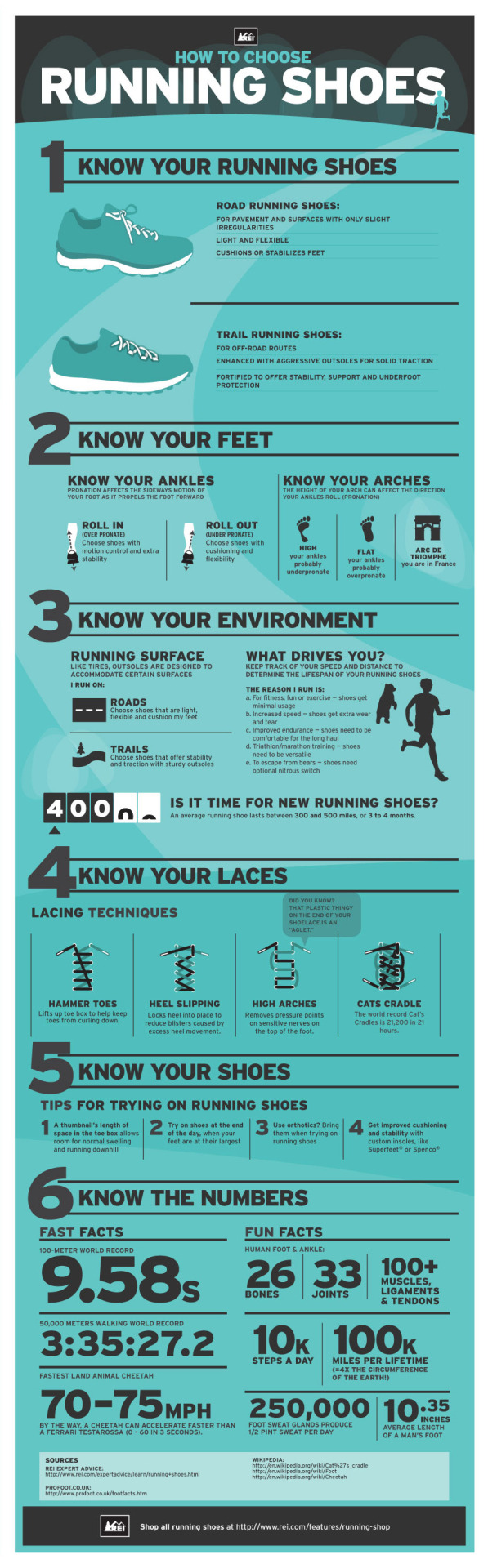
I go through at least two pairs a year, and knowing your stuff when going to buy running shoes definitely makes a HUGE difference.
 nomad-hermit